
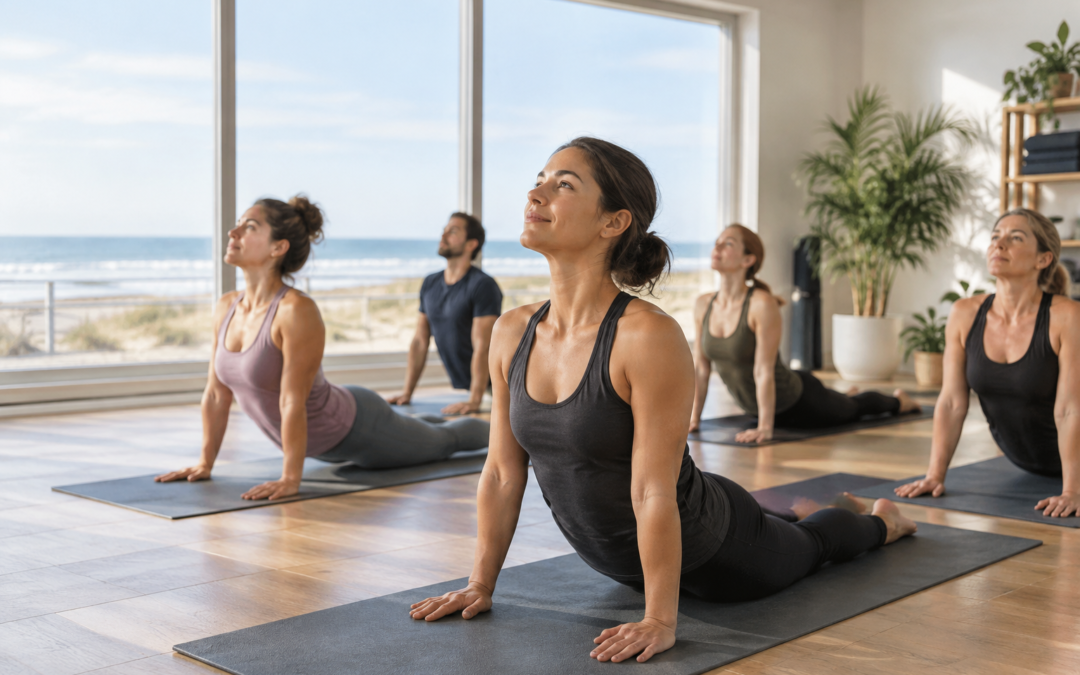
Finding the best yoga classes near me in Point Pleasant, NJ requires evaluating class pacing, instructor qualifications, studio atmosphere, and your individual movement goals. Whether you are searching for restorative mobility or energizing strength, comparing local schedule options and tailored instruction at Jennifer Vafakos Yoga helps ensure a safe, welcoming, and consistent practice.
Evaluating What Makes the Best Yoga Classes Near Me in Point Pleasant
Searching for the best yoga classes near me in Point Pleasant, New Jersey involves looking closely at studio culture, instructor expertise, and class structure. Point Pleasant and neighboring Monmouth and Ocean County communities such as Manasquan NJ, Wall NJ, Brielle NJ, and Belmar NJ offer diverse physical fitness and movement spaces. However, finding an option that matches your personal wellness goals requires evaluating more than just proximity. A high-quality yoga environment prioritizes practitioner safety, clear alignment instructions, and an encouraging community atmosphere where students of all experience levels can thrive.
When assessing local class options, begin by reviewing the studio’s teaching philosophy and class descriptions. Quality studios clearly distinguish between active movement practices and gentle restorative sessions so practitioners can make informed decisions before stepping onto the mat. Additionally, observing whether instructors offer tailored modifications, check in with students before class regarding injuries, and maintain a clean, quiet space gives valuable insight into the overall professionalism of the practice environment.
Comparing Dynamic Flow vs Slower Paced Beginner Yoga Classes
Understanding the difference between dynamic flow classes and slower-paced movement is essential when selecting yoga classes beginner practitioners will enjoy. Flow or Vinyasa classes link breath directly with continuous, fluid transitions between poses. These sessions generally move at a faster tempo, generating cardiovascular heat and requiring existing body awareness to transition safely between standing, balancing, and floor postures. While dynamic flow builds endurance and strength, it can sometimes feel rushed for individuals who are brand new to yoga or managing joint sensitivity.
In contrast, slower-paced beginner yoga focuses on holding individual postures for several breaths while breaking down alignment principles step by step. These foundational classes emphasize grounded stability, functional mobility, and conscious breathing techniques without forcing rapid movement. For anyone stepping onto the mat for the first time, starting with slower-paced instruction allows time to learn posture names, discover proper hand and foot placements, and build confidence safely before attempting faster-paced sequences. Exploring what to expect in your beginner yoga experience helps demystify the initial transition into group movement.
Understanding Instructor Credentials and Registered Yoga Teacher Standards
An instructor’s training and credentialing directly influence the safety, structure, and quality of any yoga session. When evaluating local options, look for teachers who have completed structured training programs and hold recognized credentials. An instructor who is a registered yoga teacher through Yoga Alliance has completed standardized coursework in human anatomy, alignment mechanics, sequencing, and teaching methodology. Working with a properly trained teacher reduces the risk of strain or injury because the instructor understands how to adapt poses for different body types and health conditions.
Beyond baseline certifications, experienced teachers often pursue continuing education in specialized disciplines like restorative yoga, functional movement, or therapeutic alignment. At Jennifer Vafakos Yoga, instructional focus centers on precise movement mechanics, mindful self-care, and personalized technique. Choosing an instructor who values ongoing learning ensures that your guidance is rooted in sound anatomical principles rather than rigid or repetitive routines.
How to Identify a Welcoming Environment for Beginning Yoga Classes
Determining whether a local studio offers a supportive environment for beginning yoga classes starts with how the staff and teachers communicate with newcomers. A truly welcoming space features clear class level guidelines on its schedule and offers direct guidance for new students upon arrival. When entering a supportive studio, instructors take time to ask about pre-existing conditions, explain where to set up your mat, and introduce essential props before class begins.
During class, a supportive environment is reflected in how modifications are presented. Attentive teachers present options as empowering choices rather than as downgrades or failures. They actively encourage students to listen to their bodies, take rest when needed, and use supportive equipment without judgment. Furthermore, an inclusive studio avoids overly competitive mindsets, fostering a serene atmosphere where practitioners focus on their personal growth rather than comparing themselves to others in the room.
Comparing Studio Group Settings vs Personalized Private Yoga
While group studio classes provide community energy and structured weekly routines, personalized private yoga offers individualized attention designed around your unique anatomy and goals. In a group setting, an instructor must divide attention across many students, making it difficult to deliver detailed hands-on adjustments or customized sequence alterations for specific physical challenges. Group classes work exceptionally well for general mobility, stress relief, and maintaining a regular health routine alongside peers.
Conversely, customized instruction allows practitioners to address specific movement restrictions, recover from physical stress, or build custom sequences that fit busy schedules. Whether practicing in Manasquan NJ or nearby Point Pleasant, scheduling private yoga classes provides one-on-one alignment feedback that accelerates skill development. Individualized coaching is especially valuable for beginners wanting to establish correct mechanics before joining crowded group spaces, as well as experienced yogis seeking to refine advanced techniques safely.
Essential Studio Amenities, Location, and Class Etiquette
Practical factors such as studio location, parking, room acoustics, and schedule flexibility play a significant role in maintaining a consistent yoga habit. Choosing a location near major local corridors in Point Pleasant, Brielle NJ, or Wall NJ minimizes travel stress, making it easier to attend classes regularly. Additionally, consider whether the studio environment offers adequate space between mats, clean flooring, well-maintained props, and controlled temperature control suitable for comfortable practice.
Understanding basic studio etiquette also contributes to a positive experience for both you and your fellow practitioners. Arriving ten to fifteen minutes prior to class allows adequate time to check in, place your mat, and settle into the room quietly. Turning off electronic devices, keeping personal belongings stored neatly outside the practice floor, and maintaining quiet conversation before class helps preserve a calm, meditative space for everyone present.
Essential Gear and Props to Support Your Local Yoga Journey
Having the appropriate gear enhances both comfort and safety during any yoga practice. While most local studios provide basic equipment, many practitioners prefer bringing their own mat for hygiene and personal comfort. A quality yoga mat offers non-slip traction and suitable cushioning to protect knees and wrists during floor work. Wearing breathable, stretchable clothing that stays in place during inversion or bending postures allows unrestricted movement throughout class.
In addition to mats, using proper equipment like foam blocks, woven straps, and firm bolsters plays a critical role in maintaining proper form. Props bring the floor closer to you, reducing strain on tight hamstrings, hips, or shoulders while allowing deeper relaxation in restorative poses. Learning about choosing the right yoga props enables practitioners to recreate supportive alignment setups both in local studio classes and during home practice.