
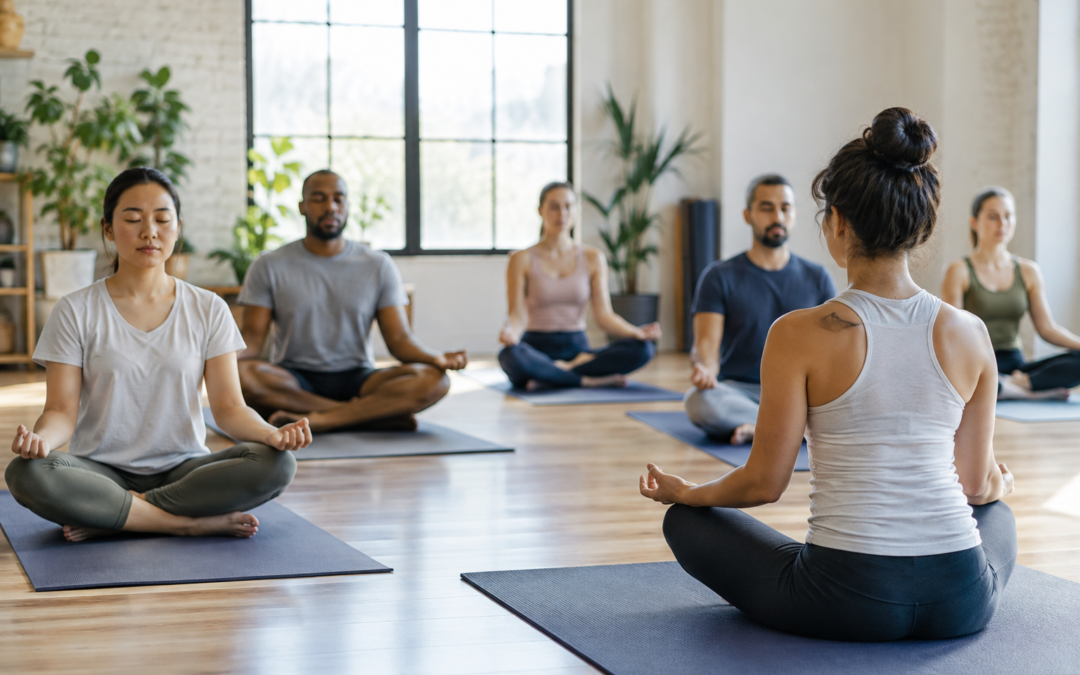
In your first yoga class, you can expect a welcoming environment focused on fundamental postures, breathwork, and guided relaxation. A typical beginner class runs 45 to 60 minutes, guiding students through gentle mobility movements without requiring existing flexibility or prior experience. For those exploring yoga classes beginner sessions provide an accessible foundation for building strength, balance, and stress relief safely.
How to Choose Yoga Classes Beginner Practitioners Will Enjoy
Selecting the right class setting is the most critical first step for any newcomer. When searching through studio schedules in towns like Manasquan NJ, Wall NJ, Brielle NJ, or Belmar NJ, look specifically for class titles marked as Gentle Yoga, Level 1, Yoga Basics, or Beginner Foundations. These sessions are structured specifically to explain posture alignment step by step, allowing ample time for questions and movement adjustments.
Class descriptions offer valuable clues about the pacing and intensity you will encounter. A class labeled as introductory or foundational will prioritize proper joint positioning, simple breathing techniques, and gradual physical warm-ups. Avoid starting with unheated advanced flow or power sessions, as these fast-paced environments assume prior knowledge of pose names and transitions. Starting with a clear foundational framework protects your joints and builds confidence from day one.
If group environments feel intimidating, or if you are managing past injuries, exploring one-on-one instruction can offer tailored preparation. Working directly with an experienced instructor at Jennifer Vafakos Yoga allows you to master foundational movements at your own speed before stepping into a group studio environment.
Key Differences Between Hatha Yoga Classes and Vinyasa Yoga Classes
Understanding the distinction between common styles helps you choose a practice that matches your current physical energy and goals. The two most common styles offered on studio schedules are Hatha and Vinyasa. While both teach foundational postures, their structure, rhythm, and breath integration differ significantly.
Foundational hatha yoga classes focus on static holds, holding individual postures for several full breaths. This deliberate pace allows instructors to explain foot placement, hip alignment, and core engagement clearly. Practicing Hatha helps beginning yoga classes feel manageable, as you have sufficient time to settle into each pose, discover where your body holds tension, and learn how to use supportive tools without feeling rushed.
In contrast, vinyasa yoga classes connect movement directly with breath, creating a continuous flow from one posture to the next. While beginner Vinyasa classes still maintain an accessible tempo, the continuous transitions require greater focus on coordination and dynamic balance. Choosing between them depends on your preference: Hatha emphasizes stationary stability and detail, while Vinyasa builds steady physical rhythm and mild cardiovascular endurance.
What to Wear and What to Bring to Your First Session
Arriving prepared with comfortable clothing and basic equipment removes unnecessary anxiety on your first day. You do not need high-end specialized apparel to practice yoga effectively; functional, flexible athletic wear works best. Choose clothing that allows a full range of motion without needing constant adjustment during forward bends or overhead reaches.
For tops, select comfortable shirts that sit close to the torso rather than loose, baggy shirts that can slide over your face when bending forward. For bottoms, flexible leggings or athletic shorts with stretch built in provide maximum comfort. Because yoga is practiced barefoot, you do not need special footwear, though wearing removable socks to the mat keeps your feet warm during opening and closing rest periods.
Essential gear includes a standard sticky yoga mat, a reusable water bottle, and a small towel. Bringing your own mat ensures proper traction and hygiene, though many local studios offer mat rentals for first-time visitors. In addition, learning to use standard yoga props like high-density foam blocks, woven straps, and thick blankets makes poses accessible regardless of your initial physical flexibility.
Understanding Essential Studio Etiquette for Beginners
Navigating studio norms ensures a smooth, respectful experience for yourself and fellow students. Arriving 10 to 15 minutes before the scheduled start time gives you time to check in at the front desk, store personal items, remove your shoes, and set up your mat unhurriedly. Late arrivals can disrupt the quiet atmosphere created during opening breathwork.
Before stepping onto the practice floor, remove your shoes and leave them in designated cubbies or shoe racks. Studio floors are kept clean for barefoot movement. Once inside the practice space, turn off all mobile devices or switch them to silent mode. Keeping cell phones off the mat preserves a calm, distraction-free environment for everyone in the room.
When placing your mat, leave comfortable spacing between neighboring mats so everyone has room to extend their arms and legs. It is always wise to introduce yourself briefly to the teacher before class starts. Informing the instructor about any chronic joint issues, back pain, or recent surgeries allows them to offer subtle, effective modifications throughout the sequence.
What Happens Step-by-Step During a Standard Class
Knowing the standard progression of a yoga session reduces uncertainty and allows you to relax into the movements. Most 60-minute beginner sessions follow a structured, time-tested sequence designed to warm up the body systematically before moving into deeper stretches and final rest.
The class typically begins with 5 minutes of seated or reclining centering, focusing on deep diaphragmatic breathing and mental presence. Next, 10 to 15 minutes are dedicated to gentle joint warm-ups, such as Cat-Cow stretches and wrist rolls, preparing your spine and limbs for standing postures. The middle 25 minutes form the active peak of the class, featuring standing postures like Warrior poses, balancing postures, and gentle backbends that build leg strength and spinal mobility.
The final 15 minutes transition down to floor-based stretches, targeting hip flexibility and hamstring length while reducing heart rate. Every traditional class concludes with 5 to 10 minutes of Savasana, or final relaxation posture, where you lie quietly on your back. Savasana allows your nervous system to absorb the physical efforts of the practice, leaving you calm and refreshed.
Modifying Postures and Managing Expectations
One of the most important principles for new students is recognizing that yoga is a personal practice rather than a competitive sport. Your body’s proportions, skeletal structure, and past movement history dictate how a pose looks, meaning your expression of a posture will naturally differ from your neighbor’s.
Never push through sharp pain or force a joint into a shape that feels unstable. Instructors frequently demonstrate modifications using blocks or shortened stances to make postures safer and more comfortable. Utilizing these modifications is a sign of smart, mindful practice, not weakness. If at any point you feel breathless, fatigued, or overwhelmed, taking Child’s Pose (a gentle kneeling rest position) is welcomed and encouraged at any moment during class.
Progress in yoga comes from consistent, patient practice rather than intensity. Setting realistic expectations helps you enjoy the gradual improvements in posture, mobility, and breath control over weeks and months. Personalized attention through private yoga classes can further help refine your technique and address specific anatomical needs in depth.
Next Steps to Build a Consistent Practice
After finishing your first class, take a few quiet moments to drink water and notice how your body and mind feel. Mild muscle awakening is normal over the following 24 to 48 hours, especially if you have engaged muscles that are rarely targeted in everyday movements. Drinking plenty of water and taking light walks helps support muscle recovery.
To establish long-term physical benefits, aim to practice once or twice a week initially. Consistency creates muscle memory and steadily opens tight joints. As your comfort with posture names and breath patterns grows, you can explore different class formats or gradually increase weekly frequency.