
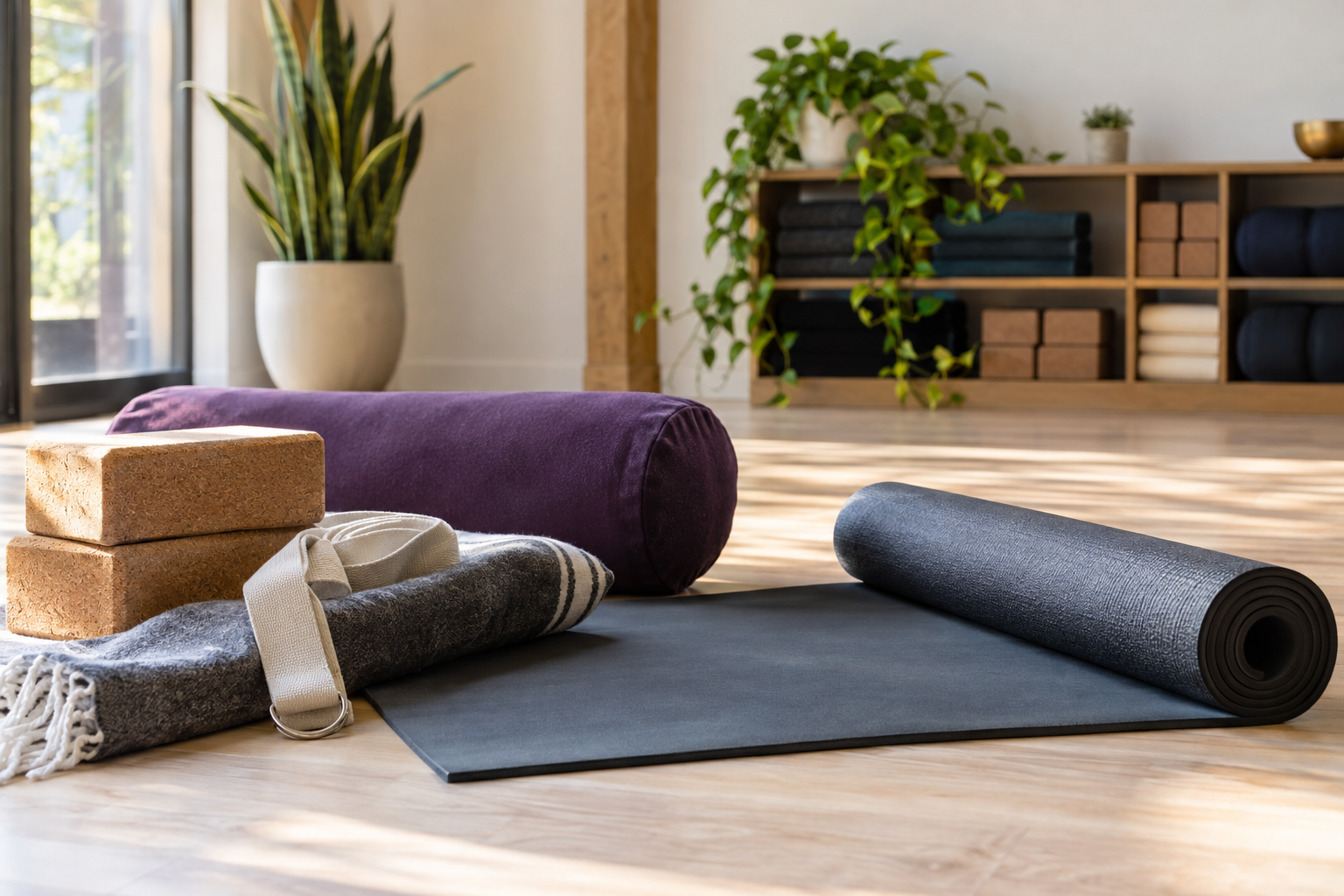
Finding top hugger mugger alternatives requires evaluating core density, cover seam reinforcement, and resilient cushioning that withstand daily studio use. High-performance alternatives include firm cotton-filled rectangular bolsters, dense solid cork blocks, and heavy natural rubber mats. These studio-grade props deliver structural alignment support for dynamic movement and restorative postures across weekly yoga classes.
Evaluating Hugger Mugger Alternatives for Studio Props and Mats
Selecting reliable equipment for daily practice means looking beyond superficial design and examining how props hold up under weight, sweat, and repeated compression. Studio practitioners require gear that maintains structural integrity over years of use. While heavy-duty commercial equipment sets a high standard for firmness, exploring hugger mugger alternatives gives yoga students and instructors access to varied textures, eco-friendly materials, and ergonomic shapes tailored to individual anatomical needs.
Proper alignment relies heavily on firm support. When a bolster flattens or a mat slips during standing postures, the body compensates by over-engaging secondary muscle groups. High-density equipment stabilizes joints during deep stretches and sustained holds. Incorporating resilient studio-grade equipment helps maintain spinal decompression and joint safety in both energetic flows and passive floor practices. Research highlighted by Harvard Health Publishing demonstrates that supported yoga practices promote joint flexibility and stress reduction when postures are stabilized correctly.
When searching for alternative studio equipment, consider the primary demands of your routine. Vinyasa practitioners require high-grip floor surfaces that resist moisture, while restorative and Yin enthusiasts need rigid support cushions that will not collapse under body weight during five-minute holds. Evaluating material composition ensures your investment matches your training intensity.
Key Categories of Hugger Mugger Alternatives
The market for studio-quality equipment includes several distinct product categories. Comparing material density, maintenance requirements, and structural resilience helps clarify which option best supports your personal routines or home studio setup.
| Equipment Category | Best For | Key Pros | Honest Cons | Durability Expectation |
|---|---|---|---|---|
| Firm Cotton Batting Bolsters | Yin and Restorative Yoga holds | Exceptional firmness; retains shape over time; natural breathability | Heavier to carry to studio sessions; requires spot cleaning or removable covers | 5 to 10 years of regular use |
| Natural Tree Rubber Mats | Hot Vinyasa flow and traction | Unmatched floor grip; dense joint cushioning; biodegradable material | Initial rubber scent; heavier than foam; sensitive to direct sun exposure | 3 to 5 years under weekly studio wear |
| Solid Cork Building Blocks | Weight-bearing alignment and balance | Extremely stable; nonslip surface when damp; eco-conscious harvest | Firmer surface can feel hard on sensitive wrists or lower back | 10+ years without structural collapse |
| Recycled High-Density Foam Props | Beginner setups and mobile practice | Lightweight for travel; soft tactile feel; easy to wipe clean | Compresses faster under heavy weight than cork or solid wood | 2 to 4 years of light to moderate use |
Selecting a High-Density Yoga Bolster Substitute for Restorative Practice
For practitioners who focus on floor-based modalities, finding an effective yoga bolster substitute is essential when standard commercial bolsters are unavailable. A proper bolster must offer dense elevation under the sacral spine, chest, or knees without sagging. Soft bed pillows or thin cushions lack the interior structural mass needed to support passive spinal extension.
If you need an immediate home alternative, tightly rolled wool blankets wrapped in heavy cotton towels provide firm lumbar elevation. However, dedicated studio bolsters filled with tightly packed organic cotton batting or buckwheat hulls offer superior longevity. Buckwheat hulls conform directly to anatomical contours while preserving firm air spaces for breathability, whereas layered cotton core construction delivers uniform, unyielding height perfect for deep heart-opening sequences in yin yoga classes.
Whether choosing commercial props or makeshift studio substitutes, verifying core firmness prevents unwanted strain on the lower back during supported hip openers and passive twists.
Incorporating Fashion Design Tips for Yoga Practitioners in Equipment Selection
Understanding fabric construction and textile engineering provides a distinct advantage when evaluating equipment durability. Applying fashion design tips for yoga practitioners allows you to assess prop longevity before making a purchase. High-end textile construction relies on heavy weave densities, reinforced stitching, and quality fiber selection.
When evaluating fabric covers on studio bolsters or meditation cushions, examine the following construction details:
- Seam Reinforcement: Look for flat-felled or double-stitched interior seams that resist bursting when full body weight rests on the prop.
- Weave Density: Durable cotton duck canvas or heavy linen handles friction against sticky mats far better than thin synthetic knits.
- Zipper Construction: Concealed metal or heavy-duty nylon zippers tucked under fabric flaps prevent scratches on your skin or floor surfaces.
- Color Fastness and Washability: Pre-shrunk cotton covers maintain their shape after cold-water washing, ensuring easy hygiene maintenance for studio environments.
At Jennifer Vafakos Yoga, practical movement technique goes hand in hand with smart equipment selection. Drawing on a deep appreciation for textile craftsmanship helps practitioners select equipment built for functional longevity rather than superficial trends.
Durability and Studio Performance: Are Commercial Props Worth It?
Investing in commercial-grade equipment pays dividends for dedicated practitioners who attend multiple weekly classes. Standard consumer-grade foam blocks and thin mats frequently degrade within months, flaking material onto the floor or losing structural rigidity. Studio-grade equipment maintains flat contact with the floor, preventing accidental slipping during standing balance postures.
Official standards set by educational directories like Yoga Alliance emphasize safe studio practice environments, which rely directly on stable, slip-resistant equipment. Dense mats cushion weight-bearing joints such as knees and wrists, protecting connective tissue during transition poses in dynamic vinyasa yoga flows.
When Studio-Grade Props Are Not the Right Fit
While heavy-duty studio equipment offers unmatched support, high-density gear is not optimal for every situation. High-density rubber mats and solid cotton bolsters add significant weight to your gym bag, making them cumbersome for travel or outdoor beach sessions along the Shore in Manasquan, Wall, Brielle, or Belmar, NJ.
Additionally, casual practitioners who practice once a month or individuals recovering from acute joint sensitivity may find dense cork blocks too unyielding against tender skin. In these cases, lighter bevel-edged EVA foam blocks offer softer touch points without compromising basic balance support. For students attending instruction at Inlet Yoga Studio or working through customized sequences with Jennifer Vafakos, experimenting with different prop densities in person helps clarify which surface textures suit your body best.
How to Choose Hugger Mugger Alternatives Based on Your Practice Style
Choosing the right hugger mugger alternatives ultimately depends on your primary movement goals and physical preferences. Aligning your equipment choices with your routine ensures your props work with your body rather than against it.
Consider these tailored recommendations when upgrading your practice gear:
- Vinyasa and Dynamic Flow: Prioritize 5mm-thick natural rubber mats and medium-density foam blocks that offer quick portability and superior wet grip.
- Yin and Restorative Practice: Select extra-firm rectangular cotton bolsters, heavy cotton straps with metal D-rings, and solid cork blocks for unyielding elevation.
- Gentle Hatha and Alignment Work: Opt for rounded bolster shapes that fit comfortably under the knees and soft cotton blankets for adaptable joint padding.
Selecting durable, high-performing yoga props tailored to your personal physical demands empowers your movement, deepens your breath capacity, and supports safe alignment across every stage of your practice.